
Phrases with silent letter g – Phrases with silent letter ‘g’ – a captivating linguistic phenomenon. From “significance” to “gnaw,” these seemingly extraordinary phrases cover a secret. Why do some “g”s go unheard, whereas others ring loud and clear? Uncovering the principles behind these silent letters unlocks a deeper understanding of English etymology and pronunciation. This exploration will uncover the historic and linguistic elements that contribute to this peculiar linguistic characteristic.
Understanding these phrases is essential for efficient communication, each written and spoken. Mispronouncing phrases with silent “g”s can result in misunderstandings and even a humorous stumble. We’ll dive into particular examples, exploring the origins and utilization of those phrases to offer a complete view of this linguistic quirk.
The English language is a captivating tapestry woven with intricate guidelines and exceptions. One such quirk is the silent letter ‘g’. Whereas seemingly simple, understanding when ‘g’ is silent, and why, unlocks a deeper appreciation for the language’s complexities. This text delves into the world of phrases that includes this silent consonant, exploring the patterns, exceptions, and the historic context behind this linguistic phenomenon.
Whereas exploring phrases with silent letter ‘g’, take into account the impression of hidden letters on total phrase which means. This often-overlooked linguistic phenomenon could be fascinating to review, notably when considered by way of the lens of a concise type like a six line poem NYT. Six-line poems can exhibit how seemingly easy phrase constructions can convey complicated concepts, highlighting the nuanced interaction between type and performance.
The strategic use of silent letters inside these poems provides an extra layer of complexity, influencing the reader’s interpretation and notion of the written phrase.
From on a regular basis phrases to extra obscure phrases, we’ll uncover the secrets and techniques hidden throughout the silent ‘g’.
Understanding the Silent ‘G’ Phenomenon
The silent ‘g’ is not a random incidence. It is usually linked to particular historic phonetic shifts and adjustments in pronunciation over time. These adjustments usually are not at all times simply predictable, however patterns do emerge. Let’s take a look at some key elements.
Historic Roots of Silent ‘G’
Many phrases with silent ‘g’ originate from Outdated French or Latin. These borrowings usually carried pronunciation guidelines that differ from fashionable English. The silent ‘g’ in phrases like gnaw or signal could be traced again to those historical languages, the place the ‘g’ might need been pronounced.
Linguistic Evolution and Pronunciation Adjustments
Over centuries, English pronunciation has advanced dramatically. The silent ‘g’ displays these shifts. Sure vowel mixtures or phrase endings might have influenced the gradual fading of the ‘g’ sound. The complexities of linguistic evolution make it troublesome to hint the precise causes for the silent ‘g’ in each case, however the historic context provides invaluable insights.
Widespread Examples of Phrases with Silent ‘G’
Let’s discover some acquainted examples to solidify our understanding.
Widespread Nouns and Verbs
- Gnaw
- Signal
- Champagne
- Overseas
- Gorge (within the sense of a valley)
- Gnome
Technical Phrases and Specialised Vocabulary
- Graft (within the context of botany)
- Glimmer
- Gild
[Image: Table showcasing a list of words with silent g, their parts of speech, and a brief explanation of the silent g occurrence]
Understanding phrases with silent letter ‘g’ like ‘gnaw’ or ‘gnome’ is essential for efficient communication. Nevertheless, the seemingly inconceivable feat of strolling on water, as described within the well-known biblical account of he walked on water , highlights the ability of language to specific the extraordinary. In the end, mastering these refined linguistic nuances considerably enhances one’s vocabulary and comprehension.
Exceptions and Concerns: Phrases With Silent Letter G
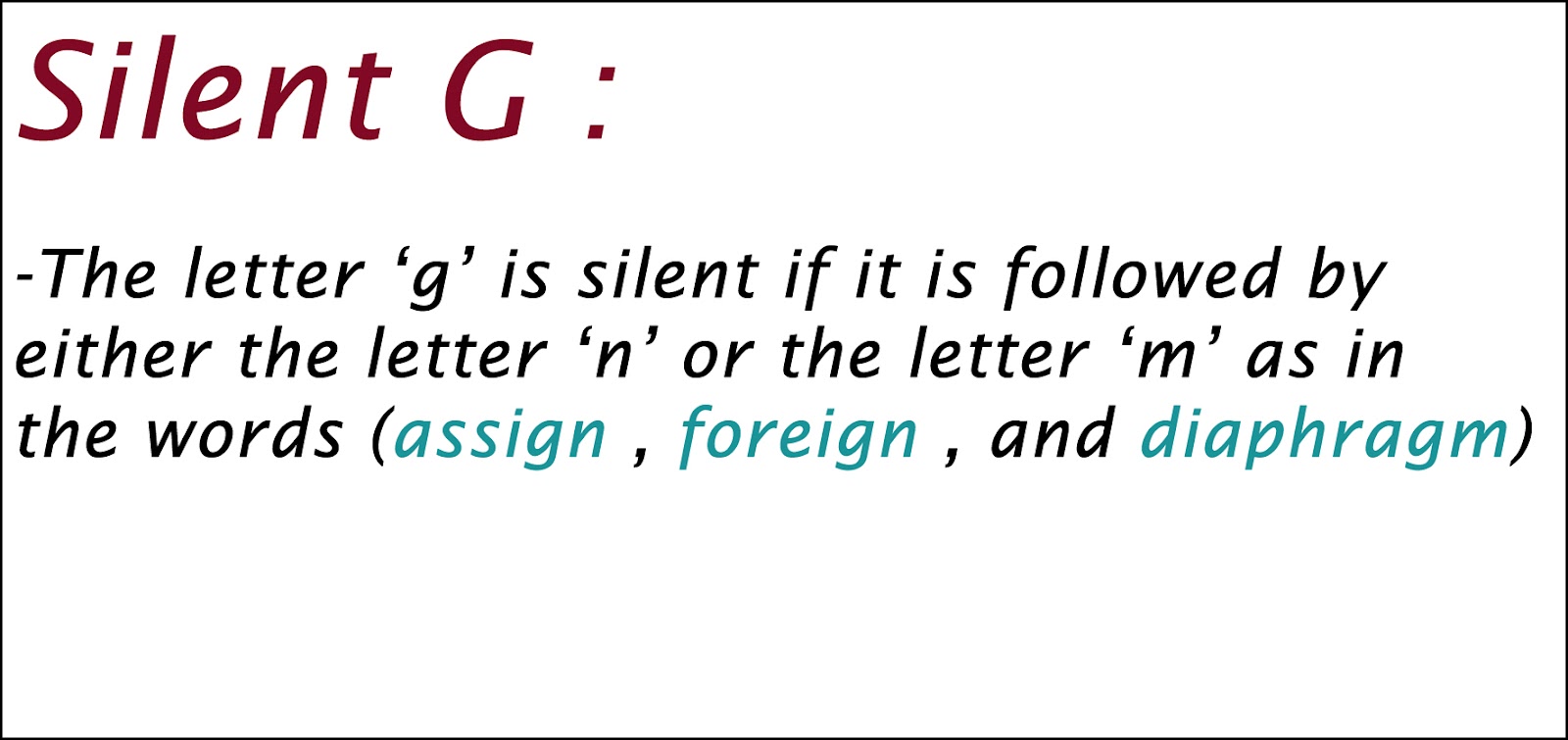
Whereas patterns emerge, there are exceptions to each rule. The silent ‘g’ is not at all times predictable. The context of the phrase performs a significant position in figuring out whether or not the ‘g’ is pronounced or not.
Whereas “gnome” may appear simple, the silent ‘g’ provides an intriguing layer to the English language. Understanding these subtleties is vital to acing phrase puzzles just like the prefix with sphere crossword. This type of linguistic nuance is vital for increasing your vocabulary and mastering the intricacies of wordplay. Such examples underscore the depth and complexity of the English language, demonstrating why phrases with silent letters stay fascinating.
Contextual Influences, Phrases with silent letter g
Contemplate the phrase mild. The ‘g’ is pronounced, whereas in gently, it stays silent. The presence or absence of a vowel or consonant after the ‘g’ usually determines its pronunciation. These nuances spotlight the complexities of English pronunciation guidelines.
Sensible Functions and Implications
Understanding silent ‘g’ has implications for spelling, pronunciation, and even vocabulary acquisition. Realizing when a ‘g’ is silent might help learners keep away from frequent pronunciation errors.
Improved Spelling and Pronunciation
Recognizing the silent ‘g’ sample permits for improved spelling and pronunciation, resulting in better confidence in communication. For learners, this data enhances vocabulary acquisition and comprehension.
Increasing Linguistic Consciousness
By finding out silent ‘g’ phrases, we acquire a deeper understanding of the fascinating evolution of the English language. This fosters a heightened appreciation for the intricate particulars of linguistic historical past and growth.
Conclusion
Phrases with silent ‘g’ exhibit the dynamic and evolving nature of the English language. Whereas exceptions exist, understanding the historic context, frequent patterns, and contextual influences offers invaluable insights into this linguistic phenomenon. This data empowers learners and fans to navigate the intricacies of English pronunciation and vocabulary with better confidence.
Understanding phrases with silent letters, just like the ‘g’ in ‘gnaw’, is essential for efficient communication. This linguistic quirk, usually missed, highlights the complexity of the English language. Realizing the nuances of such phrases, and the idioms they’re a part of, similar to “snake within the grass,” reveals hidden meanings and provides depth to your understanding of the language.
In the end, mastering silent letters enriches your vocabulary and improves your capability to understand refined linguistic particulars.
[See also: The History of English Pronunciation]
[See also: Mastering English Pronunciation]
What are your ideas on phrases with silent ‘g’? Share your insights and questions within the feedback under. Share this text on social media to assist others study this fascinating linguistic facet.
In conclusion, the existence of silent “g”s in English highlights the dynamic and infrequently unpredictable nature of language. These seemingly insignificant silent letters are a testomony to the evolution and affect of assorted languages on English. This exploration offers a novel alternative to understand the intricate mechanisms behind language and the way these quirks contribute to the richness and complexity of our communication.
Questions Usually Requested
What’s the historic context behind the silent “g” in phrases like “significance”?
The silent “g” in “significance” stems from the phrase’s Latin origin. Over time, pronunciation advanced, resulting in the modern-day silent “g.” Related patterns exist in different phrases, illustrating the continual evolution of language.
Understanding phrases with silent letter ‘g’ usually requires a deeper dive into the English language’s intricacies. Contemplate the associated idea of three-letter phrases beginning with ‘t’, like ‘the’ or ‘two’. This exploration of three letter words starting with t can illuminate the usually missed nuances within the construction of the English language, finally enriching our understanding of phrases with silent letter ‘g’ and their distinctive utilization.
Are there any guidelines governing when a “g” is silent?
Sadly, no laborious and quick guidelines exist. Silent “g”s usually stem from historic influences and adjustments in pronunciation over time. A case-by-case evaluation is commonly required to know the nuances.
How does understanding silent “g” phrases enhance my English abilities?
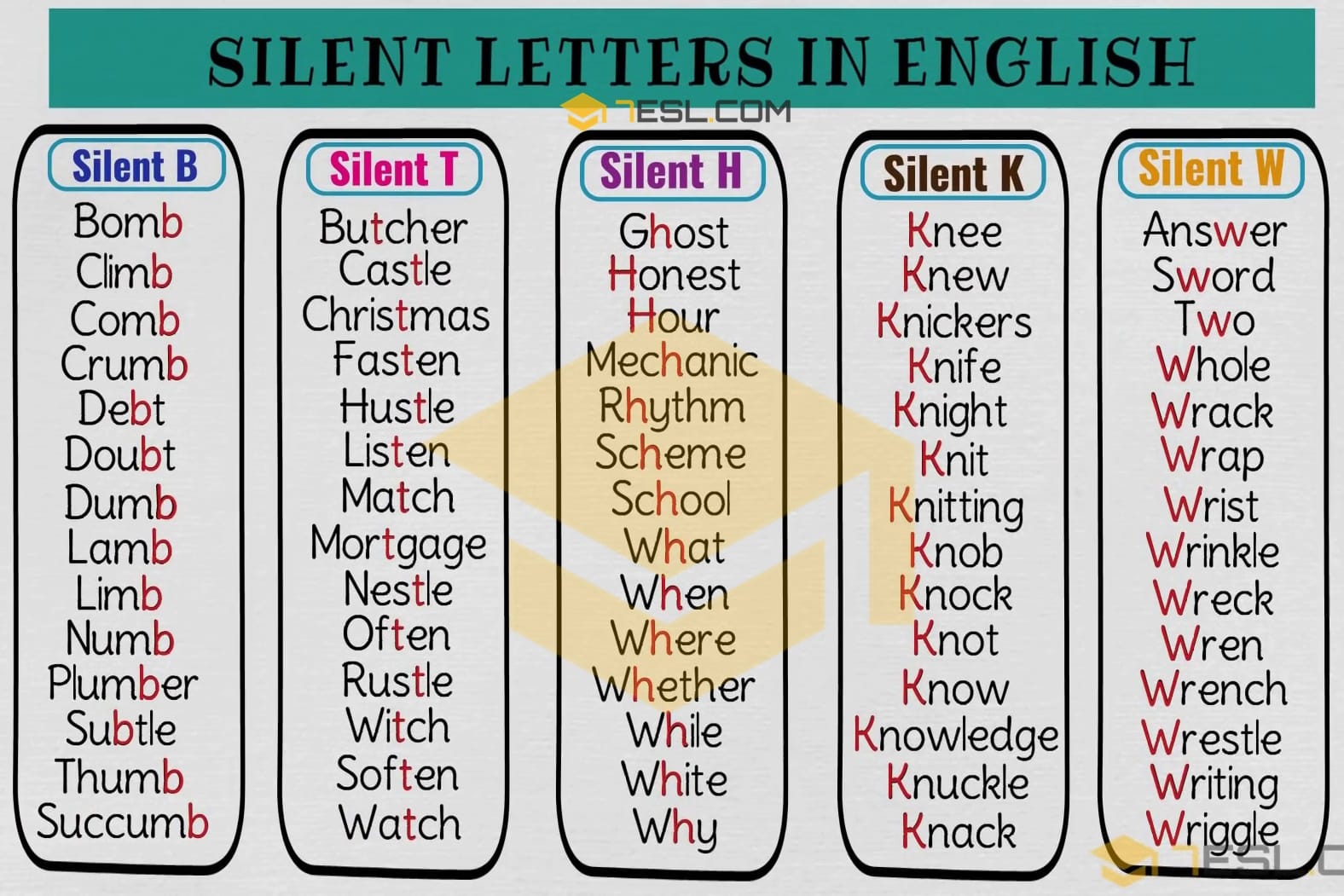
A deeper understanding of silent “g”s enhances your total grasp of English vocabulary and pronunciation. This, in flip, improves your communication abilities, each in writing and dialog. Avoiding mispronunciations is vital to efficient communication.
How can I keep in mind these phrases extra successfully?
Memorization strategies similar to flashcards, mnemonic units, and associating the phrases with their context could be extremely efficient. Constant observe and evaluation will help in remembering these often-tricky phrases.
