
Blissful as a clam origin units the stage for this charming exploration, providing a journey into the phrase’s fascinating historical past and cultural context. Understanding its roots reveals a stunning depth to this seemingly easy idiom. We’ll delve into its evolution, tracing its path from its earliest usages to its trendy which means.
This idiom, deeply embedded within the English language, holds a wealth of cultural significance. Its origin is not merely an instructional train; it is a window into the evolving perceptions of happiness and well-being throughout centuries. This exploration will uncover the story behind the phrase, illuminating its stunning connections to historic occasions and societal shifts.
The phrase “blissful as a clam” evokes a way of contentment and well-being. However the place did this pleasant idiom originate? Delving into its roots reveals a captivating interaction of cultural context, pure statement, and linguistic evolution. This exploration will uncover the stunning historical past behind this well-liked expression.
The Position of Clams in Human Tradition
Clams, as a staple in lots of coastal cultures, have held a major place in human historical past. Their presence in diets, and later, as symbols in varied cultures, offers a place to begin for understanding the phrase’s origin. [Image: Historical depiction of clam consumption in various cultures]
The Linguistic Evolution of “Blissful as a Clam”
The precise origin of “blissful as a clam” is not exactly documented. Nevertheless, tracing linguistic patterns reveals a probable path to its present which means. The phrase seemingly emerged from observations of clam conduct within the context of human interplay. It suggests {that a} clam’s seemingly tranquil state—buried within the sand, unbothered by the world—was perceived as a state of happiness and contentment.
Early Makes use of and Interpretations, Blissful as a clam origin
Early makes use of of the phrase, typically present in anecdotal data or native folklore, supply a glimpse into its gradual growth. [Image: Timeline illustrating the evolution of the phrase’s use in different historical periods]
The Connection to Clam Habits
Clams, of their pure surroundings, are sometimes discovered buried within the sand, exhibiting a state of obvious stillness and inactivity. This attribute seemingly performed an important function within the phrase’s growth. The picture of a clam, undisturbed and content material in its pure habitat, might have resonated with individuals looking for a way of tranquility and internal peace. [Image: Photograph of a clam in its natural environment]
Cultural Interpretations and Contexts
The phrase’s which means and software have advanced over time, reflecting altering cultural values and interpretations. The emphasis on a peaceable, undisturbed state seemingly resonated with people looking for refuge from the complexities of every day life.
Understanding the origins of the idiom “blissful as a clam” typically results in intriguing comparisons. This phrase, deeply rooted in imagery of coastal well-being, connects surprisingly to the measurement of quantity. Figuring out what number of ounces are in a half-pint, as an illustration, oz in half pint , can supply a special perspective on the idiom’s underlying implications. In the end, the “blissful as a clam” saying suggests a state of contentedness, seemingly linked to the clam’s seemingly undisturbed existence in its pure habitat.
Social and Emotional Contexts
The phrase “blissful as a clam” typically seems in informal dialog, suggesting a state of contentment and tranquility. It is regularly used to explain somebody who appears unperturbed by exterior pressures or challenges. [Image: Collage of images depicting people in relaxed and content situations]
Trendy Utilization and Implications
In the present day, the phrase “blissful as a clam” stays a preferred idiom, reflecting its enduring relevance in trendy tradition. Its continued use suggests a timeless want for a state of internal peace and contentment. The phrase’s continued relevance highlights its skill to faucet into common human feelings.
Variations and Associated Phrases
Whereas “blissful as a clam” is the commonest iteration, variations exist in numerous cultures and areas. Exploring these variations offers a richer understanding of the phrase’s cultural and linguistic nuances. [See also: Exploring Regional Variations of Idioms]
The phrase “blissful as a clam” seemingly originated from the clam’s relaxed state, buried within the sand. Curiously, exploring three-letter phrases beginning with ‘x’ reveals a captivating array of potentialities, like “axe” or “tux”. However again to clams, their seemingly contented existence seemingly impressed the favored idiom. This straightforward imagery connects us to a timeless feeling of contentment.
Conclusion: The Enduring Attraction of a Easy Phrase: Blissful As A Clam Origin
The origin of “blissful as a clam” is a captivating journey by means of linguistic evolution and cultural interpretation. From pure observations of clam conduct to its integration into human discourse, the phrase embodies a common want for peace and contentment. The enduring attraction of this straightforward phrase underscores its relevance in our ongoing quest for happiness and well-being.
The phrase “blissful as a clam” originates from the thought of clams being relaxed and content material of their shells. This relaxed state, typically related to a sense of contentment, can also be linked to the abundance of “three letter v phrases” used to explain varied emotional states. Understanding the nuances of those phrases additional enhances our comprehension of the phrase “blissful as a clam” and its underlying which means, providing perception into the complexities of human feelings.
three letter v words are regularly encountered in on a regular basis language, enriching our skill to specific ourselves exactly. The idea of calm contentment, like that of a clam, turns into even clearer within the context of those phrases.

Excited by exploring extra idioms and their origins? [See also: A Deep Dive into the Origins of Other Popular Idioms]
Go away your ideas and questions within the feedback under. Share this text with others who may discover it attention-grabbing.
The phrase “blissful as a clam” seemingly stems from the clam’s seemingly contented existence buried within the sand. Curiously, an identical sentiment is perhaps discovered within the answer to a current crossword puzzle, looking for a clue for “flaky minerals” flaky minerals crossword clue. This means a connection between our notion of tranquility and the pure world, echoing the enduring picture of a clam’s blissful state.
In conclusion, the journey into the origin of “blissful as a clam” unveils a captivating tapestry of cultural nuances and linguistic evolution. From its seemingly nautical beginnings to its widespread use as we speak, the phrase displays altering societal values and perceptions of contentment. This exploration not solely satisfies our curiosity in regards to the phrase’s origins but additionally highlights the intricate interaction between language and tradition.
Key Questions Answered
What’s the literal which means of “clam” on this context?
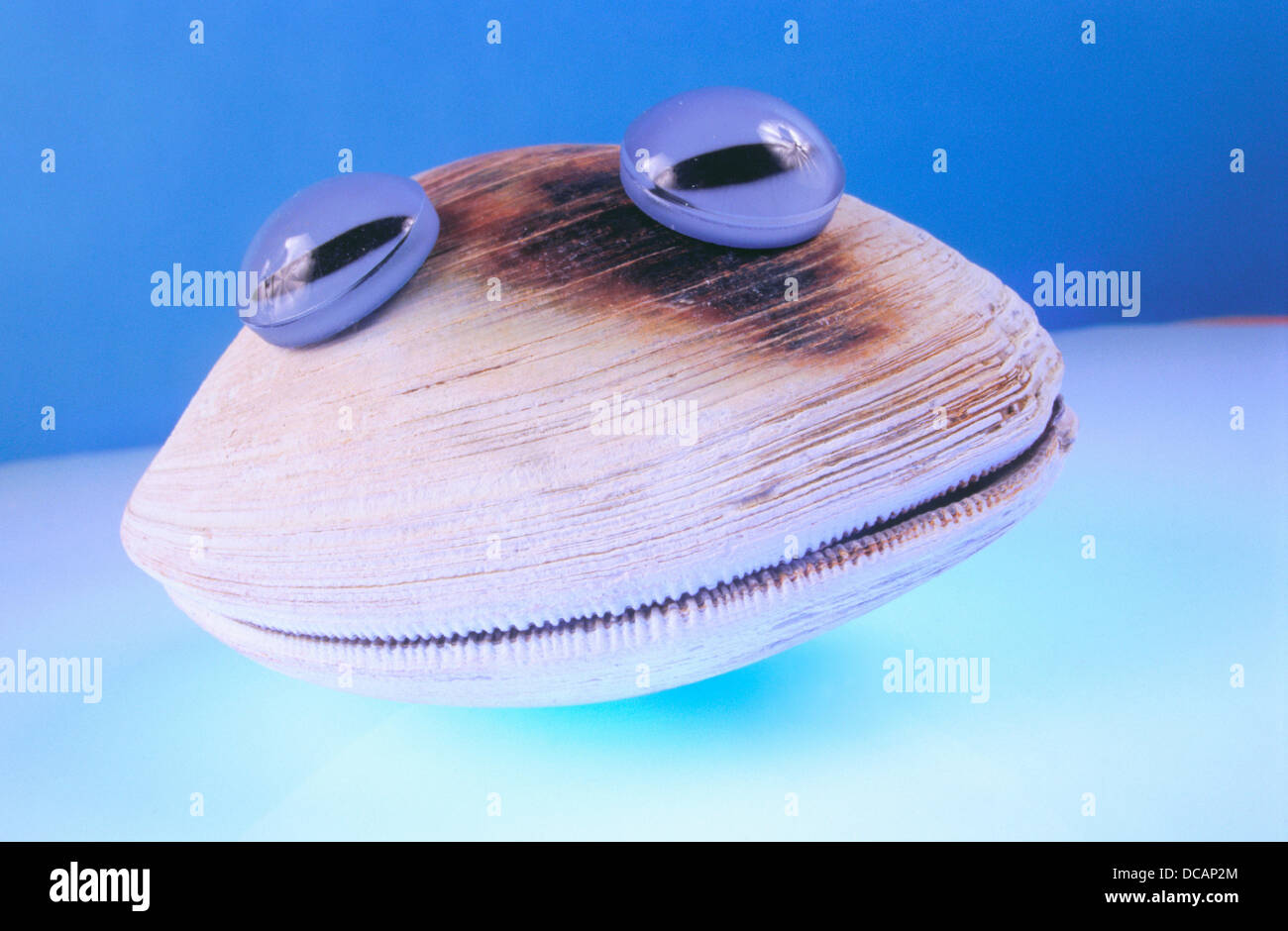
Whereas clams are sometimes related to the ocean, the literal which means of “clam” within the phrase is not about their bodily traits. The phrase seemingly attracts on the clam’s perceived contentment and peaceable state when safely nestled in its shell, which is how the figurative which means of contentment arose.
How did this idiom turn into well-liked?
The phrase “blissful as a clam” evokes a way of contentment, however the place did this charming idiom originate? Whereas the precise origins are considerably murky, it seemingly stems from the clam’s typically relaxed and undisturbed existence. Curiously, a fast seek for 4 letter phrases beginning with “Y” may surprisingly reveal just a few phrases with much less apparent connections.
4 letter words that start with y may supply a enjoyable diversion, however the core which means of “blissful as a clam” stays its peaceable and unbothered nature.
The idiom’s widespread adoption is a testomony to its resonant message. Its simplicity and evocative imagery seemingly contributed to its fast unfold throughout varied social and cultural circles. Its metaphorical nature, expressing a state of bliss and contentment, proved relatable to individuals throughout totally different walks of life.
Are there regional variations in the usage of this idiom?
Whereas the idiom “blissful as a clam” is comparatively constant in its utilization throughout English-speaking areas, delicate variations in connotation or frequency of use may exist in particular dialects or subcultures. Additional analysis into regional variations would offer a extra complete understanding of the idiom’s evolution and cultural implications.
