
Is concrete homogeneous or heterogeneous? This basic query delves into the intricate make-up of a cloth ubiquitous in fashionable development. Understanding its composition is essential for predicting its habits below stress, making certain structural integrity, and optimizing its efficiency.
Concrete, a composite materials, is a captivating mix of cement, aggregates (like sand and gravel), and water. Its properties, and subsequently whether or not it is homogeneous or heterogeneous, range considerably relying on the exact combine design. This variability is a key think about figuring out how concrete reacts to environmental forces and inner stresses. We’ll discover the interaction of those elements and the implications of this composition for functions starting from residential foundations to large-scale infrastructure tasks.
Concrete, a ubiquitous constructing materials, performs an important function in our infrastructure. Understanding its basic properties, notably its composition and construction, is important for engineers, development professionals, and anybody within the science behind this important materials. A key query arises: is concrete homogeneous or heterogeneous?
Understanding Homogeneous and Heterogeneous Supplies
Earlier than delving into concrete, let’s outline these phrases. A homogeneous materials has a uniform composition all through. Its properties are constant at each level. Think about a pure steel bar; its density and different traits stay the identical no matter the place you measure them. A heterogeneous materials, conversely, has a non-uniform composition.
Figuring out if concrete is homogeneous or heterogeneous hinges on understanding its microscopic make-up. Whereas seemingly uniform, concrete’s intricate mixture of cement, combination, and water typically ends in variations in its composition. This will affect its energy and sturdiness. For example, understanding the particular properties of the concrete combine design, just like the water-cement ratio (W/C), is essential. This ratio, together with different key parameters like the mixture measurement and sort, straight influences the concrete’s total habits.
To delve deeper into these important features, understanding what “KS” means within the context of concrete materials science is essential. what does ks mean. In the end, the heterogeneity of concrete, pushed by these elements, performs a major function in its efficiency and functions.
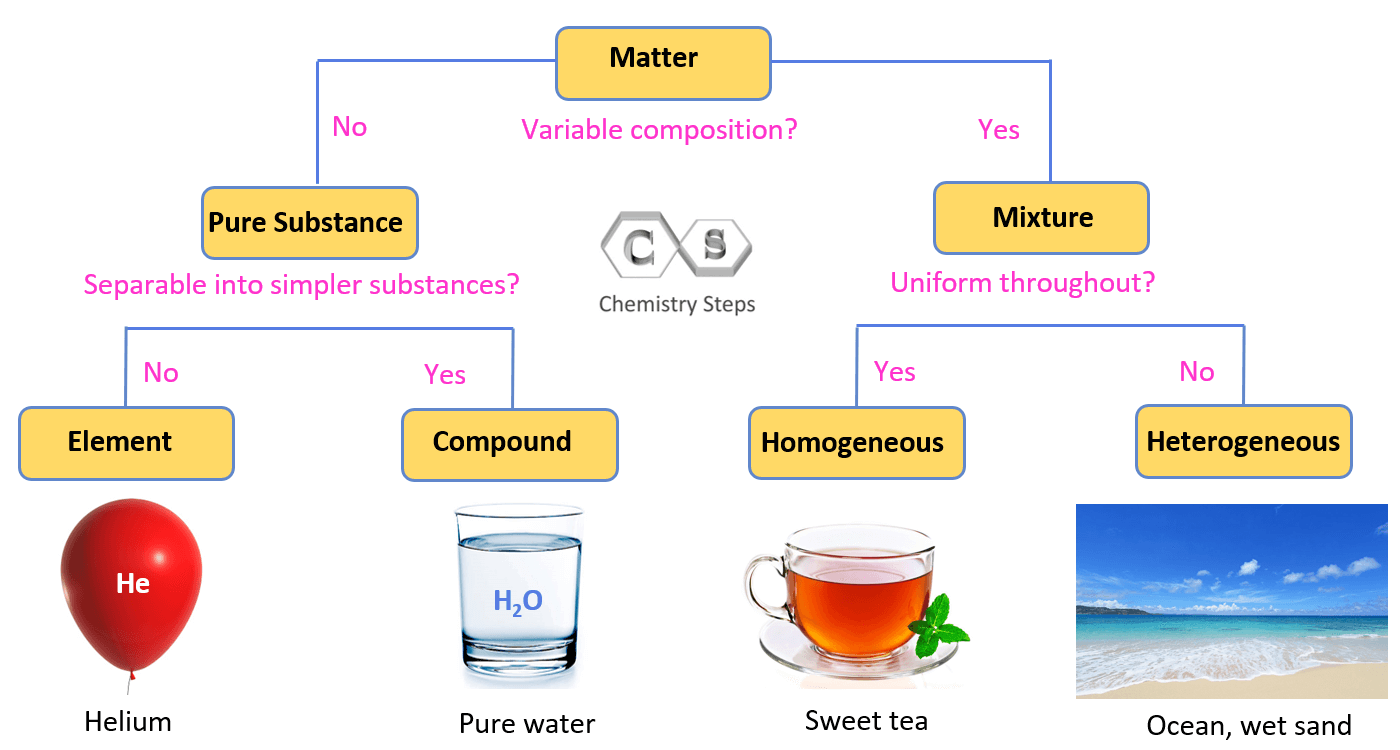
Its properties range relying on the placement throughout the materials. Consider a granite countertop; its shade and grain patterns change throughout the floor.
The Composition of Concrete
Concrete is a composite materials, which means it is made up of a number of elements. These embrace:
- Cement: The binding agent that holds the opposite elements collectively.
- Aggregates: Usually sand and gravel, offering energy and quantity.
- Water: Important for the chemical response that hardens the cement.
- Components: Numerous substances added to change concrete’s properties, reminiscent of workability, sturdiness, and energy.
The various sizes and forms of aggregates, together with the distribution of cement and water, create inherent variations within the materials’s properties.
Concrete as a Heterogeneous Materials
Concrete’s heterogeneous nature stems straight from its composite construction. The uneven distribution of aggregates, cement, and water ends in localized variations in density, energy, and different traits. Contemplate a piece of concrete with a excessive focus of huge aggregates; this space will probably exhibit totally different compressive energy in comparison with a piece with finer aggregates. Equally, water content material fluctuations can have an effect on the concrete’s means to resist tensile stress.
Figuring out if concrete is homogeneous or heterogeneous relies upon closely on the particular combine and manufacturing course of. Whereas a wonderfully uniform mix would possibly seem homogeneous, real-world concrete typically reveals variations in composition, making it extra precisely described as heterogeneous. That is akin to the idea of “comme ci comme sa,” comme ci comme sa , which frequently implies an absence of inflexible construction or exact definition, mirroring the numerous nature of concrete’s constituent components.
In the end, the diploma of homogeneity in concrete is a posh and context-dependent query.
Elements Influencing Heterogeneity
A number of elements contribute to the heterogeneity of concrete:
- Mixing Course of: The uniformity of the blending course of considerably impacts the distribution of elements. Poor mixing can result in pockets of upper or decrease concentrations of cement or aggregates.
- Mixture Properties: The dimensions, form, and floor texture of aggregates have an effect on their distribution and, consequently, the fabric’s heterogeneity.
- Water-Cement Ratio: The quantity of water used within the combine straight influences the concrete’s workability and energy, which in flip impacts the distribution of cement and aggregates.
- Curing Situations: Correct curing is important for the hydration of cement, influencing the energy and uniformity of the ultimate product.
The Implications of Heterogeneity: Is Concrete Homogeneous Or Heterogeneous
Concrete’s heterogeneous nature has vital implications for its efficiency and sturdiness. Engineers should think about these variations when designing buildings and making certain the long-term stability and security of buildings and infrastructure. Totally different components of a concrete construction could expertise totally different stresses, resulting in potential weaknesses if not accounted for throughout the design part.
Testing and High quality Management
To mitigate the results of heterogeneity, rigorous testing and high quality management procedures are employed throughout concrete manufacturing. This contains measures to make sure uniform mixing, correct water-cement ratios, and constant curing circumstances. [Image: Table comparing concrete strength data for various mixing ratios and curing times].
Conclusion
Whereas the time period “homogeneous” may appear to explain the visible uniformity of a concrete construction, the fact is that concrete is basically a heterogeneous materials. The non-uniform distribution of its constituent elements results in variations in its properties. Understanding and managing these variations are essential for making certain the sturdiness and efficiency of concrete buildings.

This text has offered a complete overview of the subject. [See also: Concrete Testing Methods and Standards].
Do you will have any questions on concrete’s heterogeneous nature or associated matters? Go away a remark beneath! Share this text on social media to assist others study this important materials.
Figuring out if concrete is homogeneous or heterogeneous depends upon the microscopic stage. Whereas seemingly uniform, concrete’s advanced composition of aggregates, cement, and water creates a heterogeneous combination. Exploring phrases like “categorization” and even taking a look at seven letter z phrases, like “zoology” , would possibly supply a barely totally different perspective on the nuanced nature of concrete’s heterogeneous construction.
In the end, a deeper understanding of the fabric’s elements reveals its non-uniformity.
In conclusion, concrete’s composition is undeniably heterogeneous, regardless of some appearances of uniformity. The various elements, and their ratios, play a important function in figuring out the ultimate properties. This intricate interaction dictates how concrete performs below numerous circumstances. By understanding this complexity, engineers and development professionals can optimize design selections, resulting in extra sturdy and environment friendly buildings.
Ceaselessly Requested Questions
What are the important thing elements of concrete?
Whereas concrete’s look would possibly recommend homogeneity, its inner construction is definitely fairly advanced, making it heterogeneous. This inherent range is a key think about its efficiency traits. Apparently, looking for 4 letter Y phrases four letter y words would possibly reveal some surprising insights, though finally irrelevant to the core query of concrete’s composition. In conclusion, concrete is basically heterogeneous, not homogeneous.
Cement, aggregates (sand and gravel), and water are the basic elements. Their exact proportions considerably affect the fabric’s traits.
How does the combination design have an effect on concrete’s properties?
The ratio of cement, aggregates, and water straight influences the energy, sturdiness, and workability of the concrete. Totally different mixes are tailor-made for numerous functions.
Figuring out if concrete is homogeneous or heterogeneous hinges on understanding its composition. Whereas concrete’s macroscopic look would possibly recommend homogeneity, its microscopic construction reveals a posh combination of aggregates, cement, and water. This mix, typically exhibiting variations in density and properties, makes concrete basically heterogeneous. This contrasts sharply with the inherent ambiguity of on-line abbreviations, just like the which means of ‘sh’ in textual content messages.
Understanding that, as an illustration, ‘sh’ can stand for ‘shut’ or ‘she’ clarifies the character of web slang, which is sort of totally different from the advanced composition of concrete. In the end, concrete’s heterogeneous nature is essential to its functions and structural integrity. what does sh mean in text
Can concrete be thought of homogeneous in sure contexts?
Whereas basically heterogeneous, in some particular, restricted contexts, concrete could seem homogeneous on a macroscopic stage, relying on the size of statement and the particular combine design.
What are the implications of concrete’s heterogeneity for structural design?
Recognizing concrete’s heterogeneity is essential for correct structural design. Engineers should think about the various properties throughout the fabric when calculating stresses and making certain stability.
