
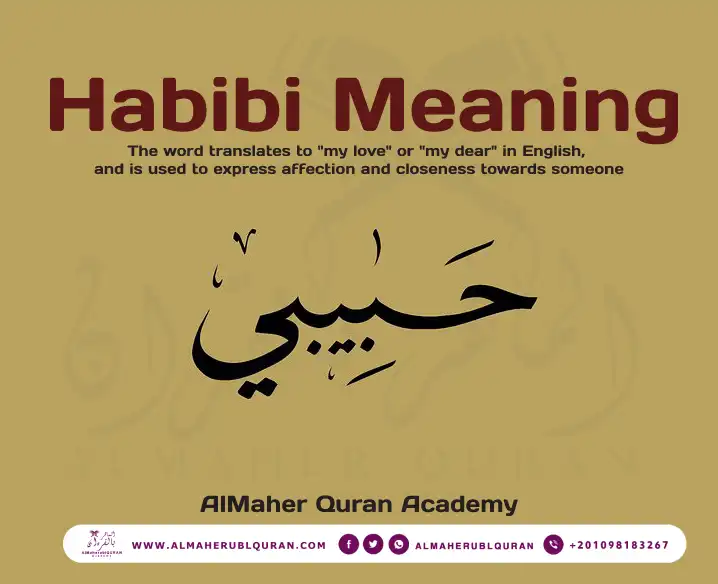
Translate Habibi to English: Unveiling the nuances of this beloved time period. Understanding its cultural context is essential to capturing its true which means. From literal translations to emotional implications, this exploration dives into the complexities of conveying the essence of “Habibi.” This is not nearly phrases; it is about connection.
Whereas “Habibi” interprets to “my love” in English, understanding the nuances of this time period requires greater than a easy dictionary lookup. Exploring related phrases, just like the intriguing listing of 4 letter phrases ending in p, 4 letter words ending in p , can provide a deeper cultural context for this time period. In the end, “Habibi” is greater than only a translation; it carries important emotional weight, impacting the best way we interpret the phrase’s supposed which means.
The time period “Habibi” carries a deep emotional weight, various considerably relying on the context and the connection between audio system. Precisely translating it requires greater than a easy word-for-word substitution. We’ll look at totally different situations and discover how the nuances of the interpretation can have an effect on the general message.
Understanding the interpretation of “Habibi” to English hinges on context, however typically implies a time period of endearment. Diving deeper into the nuances of language, contemplate the implications of suffixes like “-ful,” which frequently denote qualities or traits. For instance, a deeper understanding of the which means of suffix “-ful” will be discovered here. In the end, translating “Habibi” precisely depends on greedy the particular emotional context, not only a literal interpretation.
Understanding the nuances of language is essential to efficient communication. At this time, we delve into the which means of “Habibi,” a beloved Arabic time period, and discover its numerous translations and connotations in English. Studying find out how to translate “Habibi” to English goes past a easy word-for-word substitution; it requires understanding the cultural context and emotional intent behind the phrase.
Past “My Love”: Deconstructing Habibi: Translate Habibi To English
Whereas “my love” is a standard and infrequently correct translation for “Habibi,” it does not absolutely seize the wealthy tapestry of feelings embedded inside the phrase. “Habibi” is a time period of endearment, a solution to categorical affection and intimacy. It may be used between romantic companions, relations, shut buddies, and even as a time period of respect for somebody you admire.
Context is Essential: Understanding the Emotional Underpinnings
One of the best ways to translate “Habibi” to English relies upon closely on the particular context. Take into account the connection between the speaker and the individual being addressed. Is it a passionate declaration of affection, a heat greeting between shut buddies, or a respectful deal with to an elder? The suitable English translation will fluctuate.
Whereas “Habibi” interprets on to “my love” in English, understanding its nuances in context is essential. This typically depends upon the particular scenario and relationship between the audio system. Realizing what “diamond within the ruff” means can even assist contextualize the interpretation, because the time period typically implies hidden potential. What does diamond in the ruff mean ?
In the end, the most effective translation of “Habibi” requires a deeper understanding of the speaker’s intent and the general dialog.
For instance, in a romantic context, “Habibi” is perhaps finest translated as “my darling,” “my sweetheart,” and even “my love.” In a familial context, “my pricey” or “my candy” could possibly be becoming. In a pleasant context, “my good friend” or “my dearest” is perhaps appropriate.

Whereas translating “Habibi” to English relies upon closely on context, understanding the nuances of the Arabic phrase is essential. This typically pertains to the underlying which means, and in the end how one interprets the sentiment behind the phrase. Realizing what QVC stands for can present context for sure phrases, which could affect the English translation of “Habibi”. See what does q v c stand for for a deeper dive.
In the end, essentially the most correct translation of “Habibi” requires cautious consideration of the encircling phrases and supposed message.
Exploring the Totally different Shades of That means, Translate habibi to english
The great thing about “Habibi” lies in its adaptability. It might convey a spread of feelings, from profound affection to easy heat. Let’s discover some situations and corresponding English translations:
- Romantic context: “Habibi, you’re my every part.” (My darling, you’re my every part.)
- Pleasant context: “Habibi, how are you?” (My good friend, how are you?)
- Household context: “Habibi, I really like you.” (My pricey, I really like you.)
- Respectful context: “Habibi, thanks on your time.” (My pricey, thanks on your time.)
Past the Literal: Understanding Cultural Nuances
When translating “Habibi,” it is important to think about the cultural context. The phrase carries a sure degree of intimacy and familiarity that may not translate instantly into different languages or cultures. This understanding of the cultural nuances is significant to precisely convey the supposed which means.
Take into account the subtleties of tone and physique language. The way in which “Habibi” is claimed, accompanied by a loving look or a mild contact, can add important depth to the expression. That is one thing misplaced in a literal translation.
Sensible Functions: When to Use “Habibi”
Realizing when and find out how to use “Habibi” can improve your interactions with Arabic audio system. Take into account these situations:
- Romantic conversations: “Habibi, I miss you.” (My darling, I miss you.)
- Household gatherings: “Habibi, how was your day?” (My pricey, how was your day?)
- Pleasant exchanges: “Habibi, let’s seize espresso.” (My good friend, let’s seize espresso.)
Conclusion: Embracing the Richness of Language
Translating “Habibi” to English shouldn’t be merely about discovering a synonym. It is about understanding the emotional weight and cultural context behind the phrase. By contemplating the connection, the tone, and the particular scenario, you possibly can successfully convey the supposed which means and appreciation. The important thing to profitable translation is knowing the center behind the phrases.
Translating “Habibi” to English relies upon closely on context. Whereas typically translated as “my love,” it is essential to think about the nuances of the scenario. Exploring 3 letter phrases beginning with “g” can provide beneficial insights into the delicate emotional connections conveyed. 3 letter words starting with g can assist reveal the depth of which means.
In the end, correct translation requires understanding the particular relationship and intention behind the phrase “Habibi.”

Now that you have realized find out how to translate “Habibi” to English, contemplate exploring associated ideas and phrases. [Lihat juga: Judul Artikel Terkait]
Share your ideas and experiences with “Habibi” within the feedback beneath. Let’s focus on the nuances and interpretations of this fascinating phrase.
Remember to share this text with others who may discover it useful. Studying about totally different languages and cultures enriches our understanding of the world round us.
In conclusion, translating “Habibi” shouldn’t be an easy process. Whereas literal translations exist, the true coronary heart of the phrase lies in its cultural significance and the emotional connection it represents. Selecting the best English equal depends upon the particular context, guaranteeing the supposed message resonates with the listener. This deep dive gives a framework for navigating this delicate linguistic terrain.
Frequent Queries
What’s the most typical translation of “Habibi”?
Whereas “my love” is a frequent translation, it typically falls in need of capturing the total spectrum of feelings related to “Habibi.” The perfect translation will rely closely on the context.
Can “Habibi” be used for each women and men?
Sure, “Habibi” can be utilized for each genders, although the nuances and supposed meanings can fluctuate barely.
How does the tone of the dialog have an effect on the interpretation?
The tone of the dialog considerably impacts the suitable translation. An off-the-cuff dialog may name for a unique translation than a proper one.
Are there any regional variations in using “Habibi”?
Regional variations exist in using “Habibi,” influencing essentially the most appropriate translation. Cultural context performs an important function.
